Why You’ll Love This Recipe
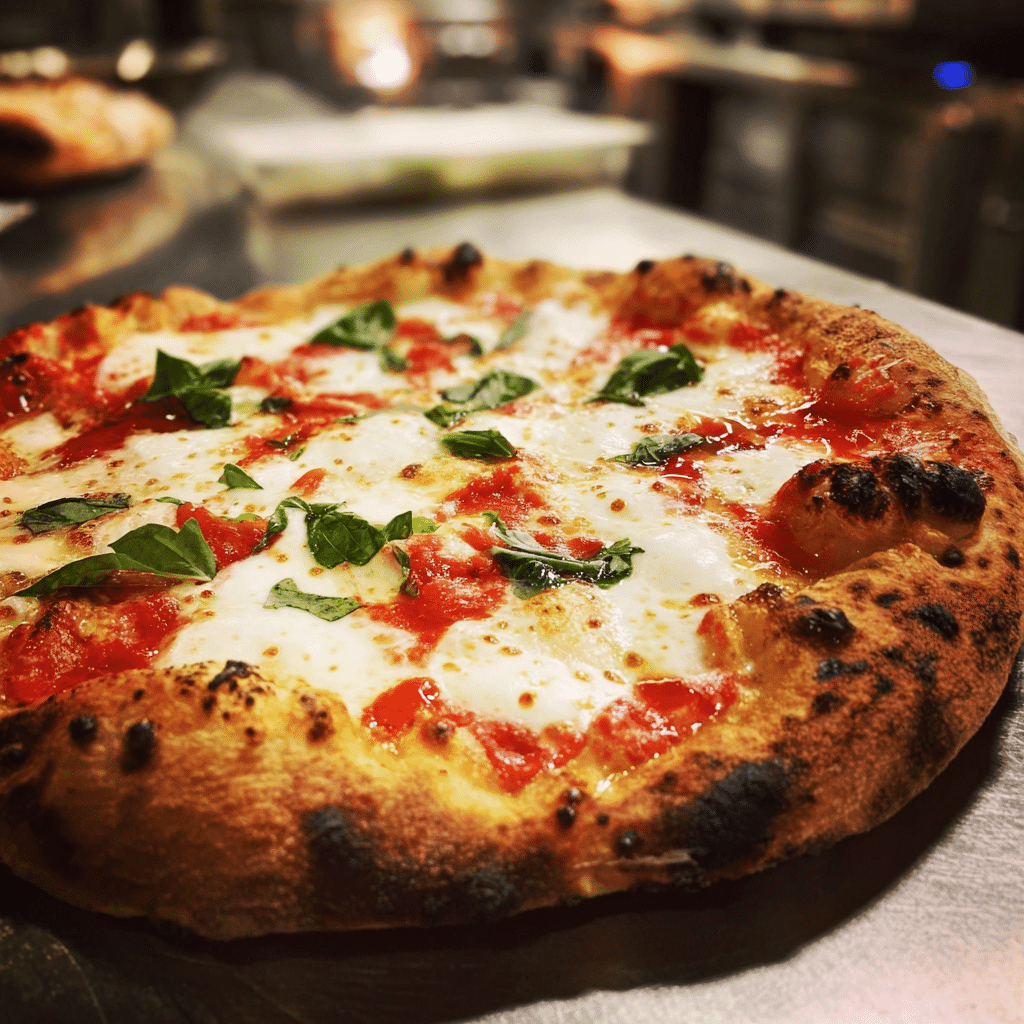
Neapolitan pizza is the definition of simplicity done right. With a tender, airy crust, light charred edges, and a delicate balance of tomato, mozzarella, and basil, this pizza proves that a few high-quality ingredients can create something truly unforgettable. I love this recipe because it respects tradition while still being achievable in a home kitchen. The dough is soft and elastic, the sauce is fresh and bright, and the final bake delivers that signature blistered crust. When I first tried making this at home, I was surprised by how forgiving the dough was once properly rested. Whether you are passionate about Italian cuisine or simply want to elevate homemade pizza night, this recipe offers an authentic experience that feels both artisanal and deeply comforting. It is ideal for sharing, experimenting with technique, and enjoying the satisfaction of creating a world-famous pizza from scratch in your own kitchen.
Print
Authentic Neapolitan Pizza at Home: A Classic Italian Masterpiece
- Total Time: 12 hours 32 minutes
- Yield: 3–4 pizzas
- Diet: Vegetarian
Description
Authentic Neapolitan pizza is a classic Italian pizza known for its soft, airy crust, simple toppings, and quick bake at very high temperatures.
Ingredients
- 00 flour – 500 g
- Water – 325 ml
- Sea salt – 10 g
- Fresh yeast – 3 g (or 1 g instant yeast)
- San Marzano tomatoes – 400 g (crushed)
- Fresh mozzarella (buffalo mozzarella preferred) – 250 g
- Extra virgin olive oil – 2 tbsp
- Fresh basil leaves – 8–10
Instructions
- Dissolve the yeast in water, then gradually mix in the flour until combined.
- Add salt and knead the dough until smooth and elastic, about 10–12 minutes.
- Cover the dough and let it rise at room temperature for 8–12 hours.
- Divide the dough into 3–4 balls and rest for another 30–60 minutes.
- Preheat a pizza oven or home oven with a pizza stone to the highest temperature possible (450–500°C / 850–900°F for pizza ovens).
- Crush the tomatoes by hand and season lightly with salt.
- Stretch each dough ball gently into a 10–12 inch circle.
- Spread tomato sauce, add torn mozzarella, drizzle olive oil, and add basil.
- Bake for 60–90 seconds in a pizza oven (or 6–8 minutes in a home oven) until the crust is puffed and lightly charred.
Notes
- Do not use a rolling pin; stretch the dough by hand.
- Use minimal toppings to avoid a soggy pizza.
- High heat is essential for authentic texture and flavor.
- Prep Time: 30 minutes
- Cook Time: 2 minutes
- Category: Main Course
- Method: Baking
- Cuisine: Italian
Ingredients
(Tip: You can find the complete list of ingredients and their measurements in the recipe card below.)
The foundation of Neapolitan pizza begins with finely milled pizza flour. This flour creates a soft, elastic dough that stretches easily and bakes into a light, airy crust with delicate chew.
Water plays a crucial role in hydrating the flour and activating gluten development. Using cool, clean water helps control fermentation and ensures a balanced dough structure.
Yeast is responsible for the slow rise that gives Neapolitan pizza its airy interior. A small amount goes a long way, especially with long fermentation.
Salt enhances flavor and strengthens the gluten network. It also helps regulate yeast activity, preventing the dough from overproofing.
San Marzano-style tomatoes are traditionally used for the sauce. They provide natural sweetness and low acidity, allowing the flavor of the tomatoes to shine without heavy seasoning.
Fresh mozzarella adds richness and creaminess. When baked, it melts gently, creating soft pools rather than excessive grease.
Fresh basil contributes a fragrant, herbal note that completes the classic flavor profile.
Extra virgin olive oil is used sparingly, adding a subtle fruitiness and enhancing the overall mouthfeel of the pizza.
Directions
Begin by preparing the dough. Combine water and yeast in a large bowl, then gradually mix in the flour until a rough dough forms. Add salt and knead until smooth and elastic. Cover and allow the dough to ferment at room temperature for several hours, followed by a longer rest in the refrigerator.
Once fermented, divide the dough into individual portions and let them rest until relaxed and easy to stretch. Meanwhile, prepare the sauce by crushing the tomatoes by hand and seasoning lightly with salt.
Preheat your oven to its highest possible temperature, ideally with a pizza stone or steel inside. Shape each dough ball gently, pressing outward to maintain air in the crust.
Spread a thin layer of tomato sauce over the base, add mozzarella, and finish with a drizzle of olive oil. Bake until the crust is puffed and charred in spots, then garnish with fresh basil before serving.
Equipment needed :
Must-Have Tools to Get Rolling
Here’s what you’ll want to have on hand:
Silicone Spatula – Durable, heat-resistant silicone spatula perfect for mixing, scraping, and spreading. Gentle on non-stick cookware and easy to clean.
Large pot – You’ll need this to boil the whole cabbage head and soften the leaves.
large bowl –Spacious, durable large bowl ideal for mixing, serving, or food preparation. Made from sturdy material and easy to clean.
Sharp knife – For coring the cabbage and slicing out the thick stem in each leaf. A paring knife works best.
Mixing bowl – A big bowl makes it easier to combine your meat and rice filling evenly.
Cutting board – For prepping cabbage leaves and rolling them like a pro.
Full-Size Blender – is a powerful kitchen appliance for making smoothies, soups, and sauces in large batches.
3-in-1 Air Fryer – This versatile 3-in-1 air fryer offers Air Fry for healthier meals with less oil, Bake for bakery-quality desserts and treats, and Reheat to bring leftovers back to life with crispy, flavorful results
Servings and timing
This recipe makes four individual pizzas.
Preparation time is approximately 30 minutes.
Fermentation time ranges from 12 to 24 hours.
Baking time is 5 to 8 minutes per pizza.
Storage/reheating
Freshly baked Neapolitan pizza is best enjoyed immediately. Leftovers can be stored in an airtight container in the refrigerator for up to two days. Reheat in a hot oven or skillet to revive the crust.
Variations and Customizations
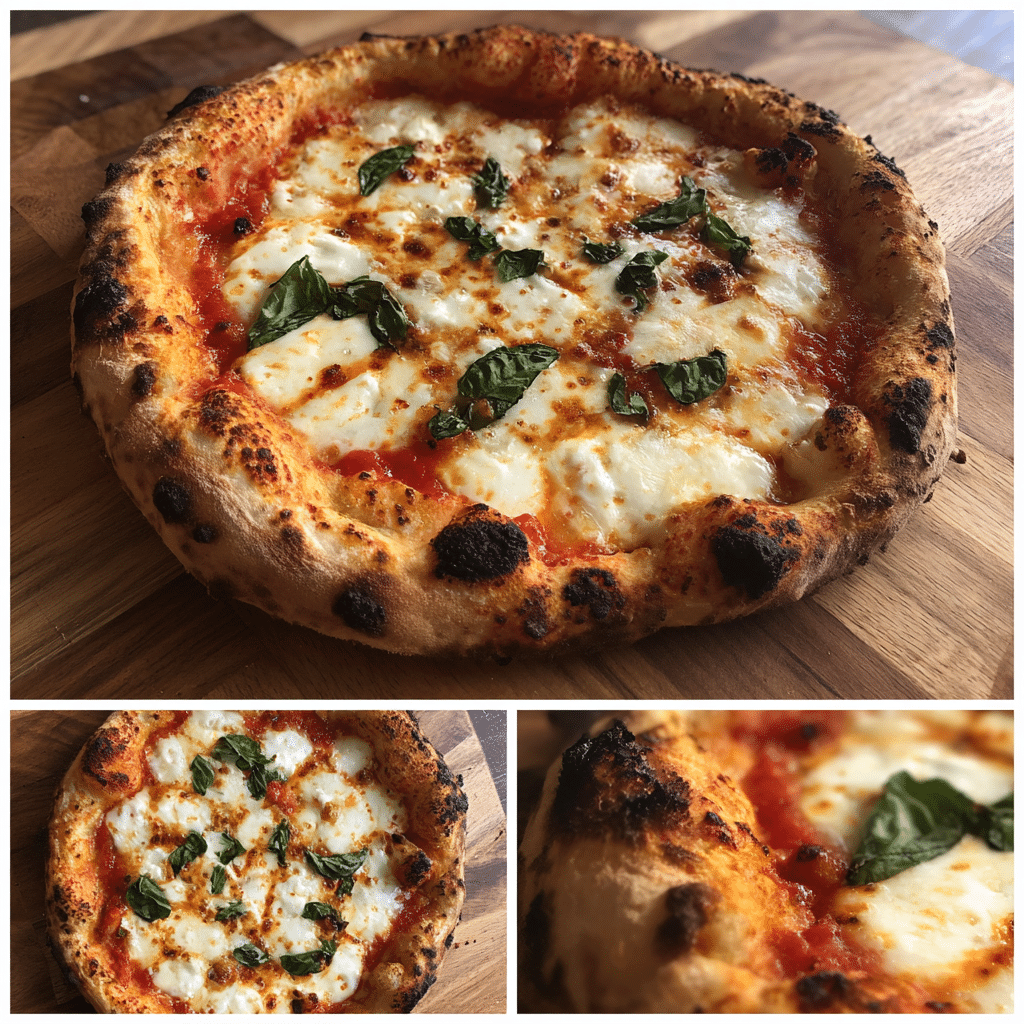
While the classic version is timeless, Neapolitan pizza is also a wonderful base for subtle variations. You can experiment with different types of mozzarella, such as buffalo mozzarella for extra richness. Adding thinly sliced garlic to the sauce introduces gentle warmth without overpowering the tomatoes.
For a slightly smoky note, try finishing the pizza with a drizzle of chili-infused olive oil. Vegetables such as roasted zucchini or mushrooms can be added sparingly, keeping the toppings light to preserve the integrity of the crust.
If you prefer a longer fermentation, extending the cold rise enhances flavor and digestibility. You can also adjust hydration levels slightly to suit your oven and flour, creating a softer or crisper result based on preference.
Nutrition and Dietary Info
Neapolitan pizza is relatively balanced when enjoyed in moderation. It provides carbohydrates for energy, protein from cheese, and beneficial fats from olive oil. Using high-quality ingredients keeps the recipe wholesome and satisfying.
Expert Tips & Customizations
Dough Handling
Handle the dough gently to preserve air bubbles and achieve a light crust.
Heat Management
The hotter the oven, the closer the result will be to authentic Neapolitan texture.
Ingredient Quality
Fewer ingredients mean each one matters, so choose the best available.
FAQs
What flour works best for Neapolitan pizza?
Finely milled pizza flour produces the most authentic texture.
Can I make this without a pizza stone?
Yes, a heavy baking sheet preheated upside down can work.
Why is my dough shrinking?
The dough may need more resting time to relax gluten.
Can I freeze the dough?
Yes, freeze after the first fermentation for up to one month.
Is sugar needed in the dough?
Traditional Neapolitan pizza does not use sugar.
What temperature should the oven be?
As hot as possible, ideally above 450°C in a pizza oven.
Can I use canned mozzarella?
Fresh mozzarella is recommended for best results.
How thin should the base be?
Thin in the center with a slightly thicker rim.
Why is my pizza soggy?
Too much sauce or low oven heat can cause sogginess.
Can I make this vegan?
Yes, omit cheese or use plant-based alternatives.
Conclusion
Neapolitan pizza is a celebration of tradition, technique, and simplicity. With patience and quality ingredients, you can recreate this iconic dish at home and enjoy a truly authentic Italian experience.
Hungry for more? Visit our website for full recipes and follow us on Pinterest for daily foodie inspo you’ll love to pin!